
Domain name SEO impact is real but indirect: Google’s ranking systems no longer reward exact-match keywords, domain age, or TLD choice as standalone signals, and the 2012 Exact Match Domain update removed most of the legacy advantage. A domain still shapes organic performance through brand recall, branded search demand, click-through rate, link-earning potential, and entity recognition across AI Overviews and agentic search. The evidence therefore supports treating a domain as a brand and trust asset rather than a keyword shortcut, with a clean history and a credible TLD acting as risk controls instead of ranking boosters.


If you are building a brand foundation that has to perform for years, start with curated premium domain inventory with clean link history, short character length, and strong type-in potential before you lock in a naming decision.
Quick Answer: Domain Name SEO Impact at a Glance
Marketers still ask whether a domain name moves rankings. The short version fits in a few bullets.
- Keywords in the domain: Minimal direct ranking effect today.
- Exact match domains (EMDs): No automatic boost, and low-quality EMDs can be demoted.
- Domain age: Not a standalone ranking factor, although older sites often hold more links.
- TLD (.com, .net, .io): Not a direct ranking factor for generic extensions, but it influences trust and click behavior.
- Country-code TLDs: A geotargeting signal, so they matter for local relevance.
- Domain history: A major risk factor, especially for expired or previously penalized domains.
- Brand strength: The strongest indirect lever, because it drives branded searches, clicks, and links.
In short, a domain will not rescue weak content. However, a strong domain makes good content easier to find, trust, and remember.
What Is Domain Name SEO Impact?
Domain name SEO impact is the measurable effect that a website’s domain (its name, extension, age, and history) has on organic search visibility, traffic, and conversions. It includes both direct ranking signals and indirect effects such as click-through rate, brand searches, and backlink acquisition.

This definition matters because most debates mix two separate questions:
- Does Google use the domain name as a direct ranking signal?
- Does the domain name change user behavior in ways that help rankings or revenue?
The first answer is mostly no. The second answer is often yes. Consequently, the honest answer to “does my domain matter?” is: “Not the way it used to, but more than zero.”
Direct vs. Indirect Effects
| Effect Type | How It Works | Strength Today |
|---|---|---|
| Direct | Google reads the domain as a ranking signal | Weak to negligible |
| Indirect | The domain shapes clicks, trust, brand searches, and links | Moderate to strong |
| Risk-based | History, spam flags, or penalties attach to the domain | Potentially severe |
Keep this table in mind. It explains why a brandable domain can outperform a keyword-stuffed domain even when both pages target the same query.
How Google Treated Domain Names Historically
To understand the current evidence, you need the backstory. Domain names once carried real ranking weight, and that history still shapes how people talk about domain name SEO impact.
The Exact Match Domain Gold Rush
In the early 2000s, search engines leaned heavily on anchor text and on-page keywords. As a result, a domain like “cheapblueheaters.com” had a natural advantage for “cheap blue heaters.” Investors noticed quickly.
Many bought keyword domains in bulk. Some built thin affiliate sites. Others simply parked pages and waited for traffic.
This era created several lasting beliefs:
- Keyword domains rank faster.
- The domain should match the search query exactly.
- Hyphenated keyword phrases help relevance.
- Short keyword strings always win.
Some of these beliefs came from real observation. Nevertheless, they were also driven by a ranking system that Google has since changed substantially.
The 2012 Exact Match Domain Update
In September 2012, Google announced a change aimed at low-quality exact-match domains. The goal was simple: stop poor sites from ranking only because the domain matched a query. High-quality exact-match sites could still rank, but the shortcut disappeared.
That update did not make keyword domains harmful by default. Instead, it removed the unearned advantage. Since then, Google has repeatedly shifted toward helpful, people-first content and has hardened its spam policies.
What the Evidence Shows Today: Direct Ranking Signals
Google does not publish its full ranking formula. Even so, Google’s public documentation, spokesperson statements, and long-running industry observation give us a useful picture. Here is how each domain attribute performs.

Do Keywords in a Domain Name Help Rankings?
Google representatives have described the ranking value of keywords in a domain as minimal at best. Meanwhile, Google’s documentation focuses on content quality, relevance, and page experience.
Why do keyword domains still show up in top results? Three explanations are more plausible than a direct boost:
- Correlation, not causation: Established businesses often choose descriptive names and then earn links and reviews.
- Anchor text effects: People link to a keyword domain using the domain itself, which naturally repeats the topic.
- Click behavior: A domain that mirrors the query can look relevant in the results page.
So the keyword has some value, but the value is indirect. In practice, a well-built page on a brandable domain will usually beat a thin page on an exact-match domain.
Does Domain Age Affect SEO?
Google has said that age alone is not a ranking factor. However, older domains often rank well for reasons that look like age effects:
- They have had more time to earn backlinks.
- They have accumulated more indexed content.
- They tend to have stable brand search demand.
Therefore, the lesson is not “buy an old domain.” Rather, the lesson is “build authority over time, or acquire a domain whose history is genuinely clean and relevant.”
Does the TLD (.com vs. .net vs. .io) Matter?
For generic extensions, Google has stated that it treats them equally for ranking purposes. A .com does not receive a ranking bonus over a .net, and newer extensions such as .app or .xyz are not penalized by default.
Country-code extensions behave differently. A ccTLD such as .de or .co.uk acts as a geotargeting signal. For that reason, it helps when your audience is local, and it can limit reach when your audience is global.
Still, TLD choice carries real indirect weight. Users trust familiar endings, and they often default to typing “.com” from memory. If you want the full psychology and market data, read why the .com extension keeps its dominance before choosing an alternative.
Does Domain Length and Structure Matter?
Google does not publish a character limit for rankings. Yet length and structure still affect usability:
- Shorter domains are easier to remember and share.
- Hyphens reduce memorability and look spammy to many users.
- Numbers create ambiguity (“4” or “four”?).
- Hard-to-spell names lose traffic when people type them directly.
Because these issues hurt direct traffic and word-of-mouth, they weaken the brand signals that feed organic growth.
Domain Ranking Factors: Evidence Summary
| Domain Factor | Direct Ranking Signal? | Indirect Effect | Verdict |
|---|---|---|---|
| Keyword in domain | Minimal | Anchor text and perceived relevance | Nice to have |
| Exact match domain | No automatic boost | Can raise CTR for matching queries | Use with caution |
| Domain age | Not on its own | Link accumulation and stability | Context matters |
| Generic TLD (.com, .net) | No | Trust and type-in behavior | Moderate indirect |
| Country-code TLD | Geotargeting signal | Local trust | Match to audience |
| Length and spelling | No | Memorability and branded search | Strong indirect |
| Domain history | Can trigger demotion | Inherited links or penalties | High risk factor |
Indirect Domain Name SEO Impact: Where a Domain Still Wins
Direct signals are weak. Indirect signals, however, are where domain choice earns its keep. These effects compound over time.
Brand Recall and Branded Search Demand
People search for brands they remember. A short, distinctive domain is easier to recall, spell, and type. Consequently, it generates more navigational searches such as “oenor” or “brand name reviews.”
Branded searches matter for three reasons:
- They signal real-world demand and recognition.
- They convert at much higher rates than generic queries.
- They protect your traffic from ranking volatility.
A weak, forgettable domain forces you to compete only on generic keywords. A strong brand domain lets you win both generic and branded demand.
Click-Through Rate and Trust
A result’s title, snippet, and URL all shape whether someone clicks. The domain is the most visible trust cue in that URL. Testimony and documents from the US antitrust case involving Google suggested that click-based systems play a role in ranking, which makes click behavior worth taking seriously.
Think about how users judge a result:
- They glance at the title for relevance.
- They check the domain for credibility.
- They decide whether the brand feels safe.
If the domain looks spammy, awkward, or unfamiliar, hesitation rises. As a result, CTR can fall even when your ranking position is strong. For a deeper look at this psychology, see how a URL builds brand trust and purchase intent.
Link Earning and Natural Anchor Text
Journalists, bloggers, and partners link more readily to credible brand names. Furthermore, a distinctive brand name produces natural, branded anchors. Those anchors look healthy in a backlink profile.
By contrast, an exact-match domain often attracts over-optimized anchor text. That pattern can look manipulative, and it invites scrutiny.
Entity Recognition and AI Search
Search now relies on entities (people, brands, products, and places) rather than only strings of keywords. A unique brand domain helps systems connect mentions, reviews, citations, and social profiles to a single entity.
This matters for AI Overviews and conversational search tools. When assistants summarize an industry, they tend to cite recognizable, trusted brands. Although nobody outside Google can measure exactly how this works, the direction is clear: distinctive brand identity supports visibility in AI-driven answers.
Meanwhile, the metrics that matter are shifting. Rankings and traffic remain useful, but leads, revenue, and brand authority are the outcomes that justify the investment.

Domain History Risks: Expired Domains, Penalties, and Spam Policies
A domain does not arrive blank. It carries a past, and Google’s systems may remember it. This is where domain name SEO impact can turn negative.
Why Expired Domain Tricks No Longer Work
For years, some marketers bought expired domains to inherit their backlinks and then redirected or rebuilt them with unrelated content. Google now addresses this behavior directly. Its spam policies on expired domain abuse and site reputation abuse describe the practice of repurposing domains mainly to manipulate rankings with low-value content.
The risk is not limited to bad actors. A legitimate buyer can also inherit problems, such as:
- Manual actions or algorithmic demotions tied to the previous owner.
- Spammy backlinks from the domain’s earlier life.
- Indexed pages in unrelated or adult niches.
- Blacklist entries from security or email providers.
How to Audit a Domain’s History Before You Buy
Follow these steps before you commit to any aftermarket or premium purchase:
- Check archived snapshots. Review the site’s past content for spam, adult material, or unrelated niches.
- Run a backlink audit. Look for toxic link patterns, link farms, and sudden unnatural spikes.
- Search the domain in Google. Use a site: query and a brand query to check indexing and any visible issues.
- Review blacklists. Check security and email reputation databases for flags.
- Verify trademark exposure. Make sure the name does not collide with existing marks. Our guide to checking a domain for trademark conflicts before buying walks through the process.
- Confirm clean ownership transfer. Use a reputable marketplace or escrow service.
This checklist takes a few hours, but it can save months of recovery work.
Comparison: Exact Match, Brandable, Keyword-Rich, and Aged Domains
Different domain types carry different SEO profiles. The table below compares the four most common options.
| Domain Type | Example Style | SEO Upside | SEO Risk | Best For |
|---|---|---|---|---|
| Exact match domain | cheapblueheaters.com | Relevance cues; possible CTR lift | Looks spammy; limited brand growth | Narrow niche sites |
| Brandable domain | Short, distinctive coined name | Strong recall, branded search, links | Needs marketing to build meaning | Startups and scalable brands |
| Keyword-rich phrase | bestblueheaterguide.com | Topic clarity | Long, forgettable, hard to expand | Small content projects |
| Aged domain | Registered years ago | Possible link equity | Hidden penalties and irrelevant history | Only with a full audit |
| Premium short domain | Short .com, one or two words | Memorability, trust, type-in traffic | Higher upfront cost | Long-term brands |
Notice the pattern. Exact-match and keyword-rich domains solve a short-term relevance problem. Brandable and premium domains solve a long-term growth problem. For most businesses, the long-term problem matters more.
Domain Migration and Rebranding: Protecting Your SEO
Many businesses ask this question after they find a better domain: “Will changing my domain name hurt my rankings?” It can, but the damage is usually avoidable with a careful plan.
Google’s documentation on site moves with URL changes explains the recommended approach. In general, you map old URLs to new URLs, use permanent redirects, and monitor indexing closely.
Step-by-Step Domain Migration Checklist
- Crawl the old site. Export every URL, title, and canonical tag.
- Map URLs one to one. Match each old page to its closest new equivalent.
- Set up 301 redirects. Use permanent server-side redirects, not blanket homepage redirects.
- Update internal links. Point links directly to new URLs rather than relying on redirects.
- Verify both properties in Google Search Console. Then use the Change of Address tool where it applies.
- Submit new sitemaps. Help Google discover the new structure.
- Notify high-value linking sites. Ask them to update their links where possible.
- Monitor for several weeks. Watch crawl errors, indexing, and traffic daily.
- Keep the redirects live. Maintain them for as long as practical, ideally at least a year.
What to Expect After a Migration
Temporary ranking fluctuation is common. Typically, a well-executed move recovers within weeks to a few months. However, sloppy redirects, missed pages, or content changes during the move can extend that window.
For that reason, avoid redesigning, rewriting, and migrating all at once. Change one major variable at a time, and you will diagnose problems faster.
How to Choose a Domain Name With SEO in Mind
A smart domain choice reduces risk and amplifies the signals that actually work. The framework below balances brand strength with search performance. For a broader naming playbook, see how to choose a domain name for your startup.
Step-by-Step: Selecting a Domain That Supports SEO
- Define the brand promise. Decide what the name must signal: trust, speed, luxury, or expertise.
- Prioritize memorability. Test whether people can spell it after hearing it once.
- Keep it short. Aim for one or two syllables per word and avoid awkward letter clusters.
- Avoid hyphens and numbers. They hurt word-of-mouth and direct traffic.
- Check availability across channels. Look at social handles, app stores, and trademarks.
- Choose the TLD deliberately. Use a .com for global ambition, or a ccTLD for a local focus.
- Audit the history. Run the checks from the earlier section.
- Test pronunciation and sentiment. Ask a small group of target customers.
- Plan the long-term fit. Make sure the name will still work if your product line expands.
Quick Decision Rules
- If you are launching a new brand: choose a brandable domain with a clean history.
- If you serve a specific local market: consider a ccTLD or a clear geographic signal.
- If you run a narrow niche content site: a keyword-relevant name can work, but build brand signals early.
- If you plan to scale or raise capital: invest in a premium, memorable name.
Does Domain Value Reflect SEO Value?
Domain appraisals and SEO performance overlap, but they are not identical. A domain may sell for a high price because of its length, dictionary-word status, extension, and brand potential. Those same attributes also support recall and trust, which are the indirect levers described above.
However, price alone does not guarantee rankings. A premium domain still needs strong content, a sound technical setup, and real authority. If you want to understand how pricing logic works, read the complete guide to estimating what a domain is worth.
Consider these value drivers that also support SEO:
- Length and clarity: Short names are easier to recall and share.
- Extension: .com remains the default for many users.
- Brandability: Distinctive names generate unique branded searches.
- Clean history: No penalties or spam baggage.
- Commercial relevance: The name suits a real business model.
In contrast, factors such as raw keyword search volume tell only part of the story. A good appraisal weighs commercial intent, end-user demand, and brand flexibility.
Common Mistakes When Judging Domain Name SEO Impact
Even experienced teams repeat the same errors. Avoid these:
- Chasing exact-match keywords. The advantage faded years ago, and the brand ceiling is low.
- Buying expired domains for quick links. This approach risks violating spam policies.
- Ignoring domain history. A single hidden penalty can cost months of effort.
- Overvaluing domain age. Age helps only when it comes with real authority.
- Picking an unpronounceable name. Poor spelling kills direct and word-of-mouth traffic.
- Migrating without a redirect map. Missing redirects leak rankings and links.
- Expecting a domain to fix weak content. Content quality, expertise, and trust remain decisive.
- Measuring only rankings. Branded search, conversions, and assisted revenue tell a fuller story.
Expert Tips to Maximize Domain Name SEO Impact
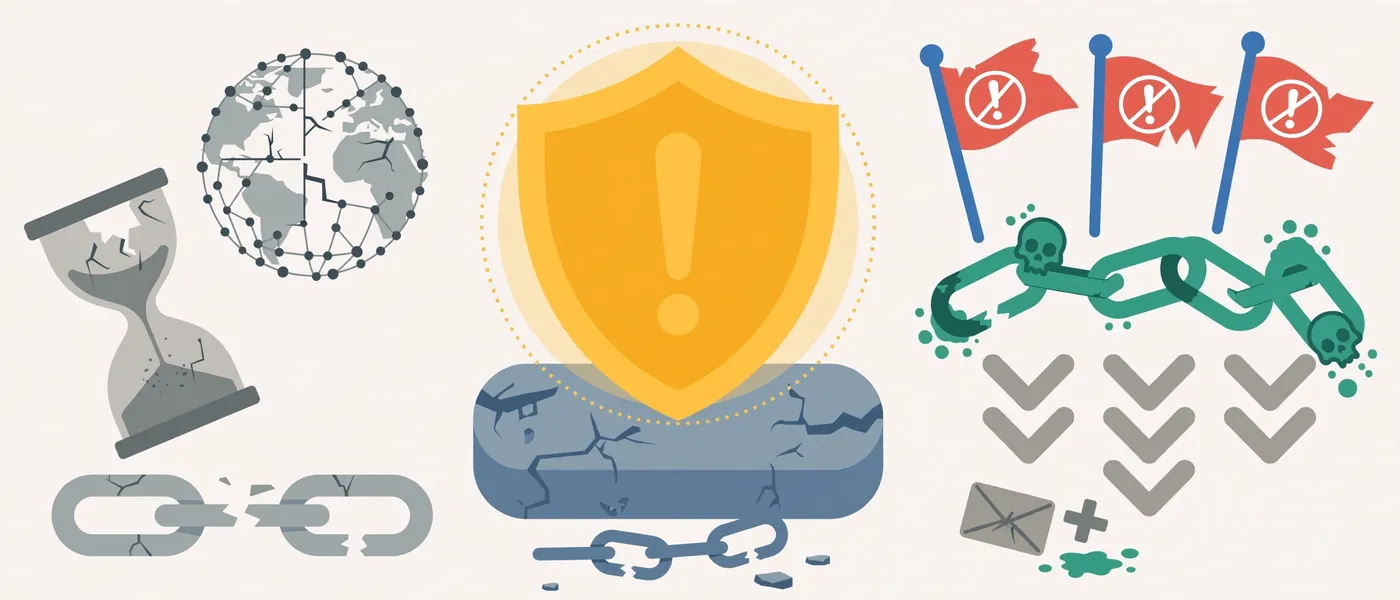
These practical tips come from how search systems and user behavior actually work.
- Build the brand around the domain. Use the exact domain consistently across your site, social profiles, citations, and press mentions.
- Reinforce E-E-A-T. Show real authorship, credentials, and first-hand experience. Domain choice supports trust, but your content proves it.
- Use descriptive URLs. Google’s SEO Starter Guide recommends clear, readable URL structures, which complement a clean domain.
- Secure the basics. Use HTTPS, fast hosting, and a clean mobile experience.
- Protect your brand. Register common misspellings and key extensions, then redirect them to the primary domain.
- Monitor branded queries. Track brand impressions and clicks in Search Console as a leading indicator.
- Plan for enterprise scale. Larger organizations should follow a documented process for enterprise domain acquisition so legal, brand, and SEO teams stay aligned.
How to Measure Domain Name SEO Impact
You cannot isolate a domain’s effect with a single metric. Instead, use a small dashboard that tracks signals tied to the indirect effects.
| Metric | What It Reveals | Where to Find It |
|---|---|---|
| Branded search volume | Brand recall and demand | Search Console, Google Trends |
| Branded vs. non-branded CTR | Trust and snippet appeal | Search Console |
| Direct traffic share | Memorability and type-in behavior | Analytics |
| Referring domains and anchors | Link-earning quality | Backlink tools |
| Assisted conversions | Business impact beyond rankings | Analytics |
| Share of AI citations | Entity visibility in AI answers | Manual checks and monitoring tools |
Because AI answers reduce some clicks, shift your key performance indicators toward leads, revenue, and brand authority. That approach reflects how modern search actually delivers value.
Frequently Asked Questions About Domain Name SEO Impact
Does a keyword in my domain name still help SEO?
It helps very little as a direct ranking signal. Google has moved toward content quality and relevance, so keyword domains no longer get an automatic boost. A keyword can still influence anchor text and perceived relevance, though, which is why domain name SEO impact is mostly indirect.
Does a .com domain rank better than other extensions?
Google treats generic extensions equally for ranking purposes, so a .com does not receive a direct bonus. However, users trust and remember .com addresses more readily, which can raise clicks, brand searches, and direct visits. Those behaviors can support stronger organic performance over time.
Does domain age affect Google rankings?
Domain age alone is not a ranking factor. Older domains often rank well because they have earned more links and content over time. A new domain can compete successfully when it builds authority and publishes helpful, expert-led content.
Is domain name SEO impact different in AI search and AI Overviews?
The principle stays the same, but brand clarity matters more. AI-driven answers tend to cite recognizable, trusted entities. A distinctive domain helps systems associate mentions, reviews, and citations with a single brand, which supports visibility.
Can buying an expired domain boost my rankings?
It can backfire. Google’s spam policies address expired domain abuse, which involves repurposing domains mainly to manipulate rankings. If you acquire a previously used domain, audit its history, backlinks, and indexed content first.
Will changing my domain name hurt my SEO?
A temporary dip is common, but a careful migration limits the damage. Use one-to-one 301 redirects, update internal links, submit new sitemaps, and monitor indexing. Follow Google’s site move guidance closely to protect your rankings.
Are premium domains worth it for SEO?
Premium domains can pay off when they improve memorability, trust, and branded search demand. They do not replace strong content or technical SEO. Weigh the cost against long-term brand value, conversion lift, and the risk of a poor naming choice.
Conclusion: What the Evidence Says About Domain Name SEO Impact
The evidence is consistent. A domain name no longer works as a keyword shortcut, and the era of easy exact-match wins is over. Nevertheless, domain name SEO impact remains meaningful through brand recall, trust, click behavior, link earning, and entity clarity.
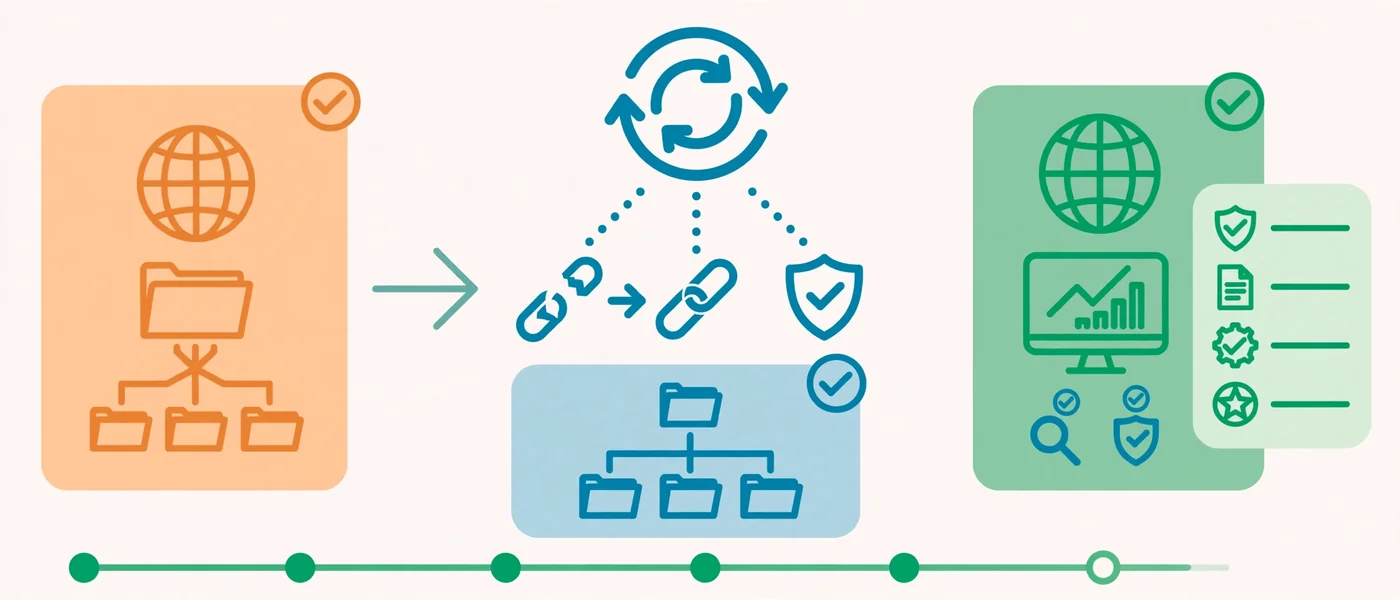
Here is the practical takeaway:
- Choose a brandable, memorable domain with a clean history.
- Select the TLD deliberately, with .com as the default for global brands.
- Avoid spam-style tactics such as expired domain abuse.
- Plan migrations carefully, and keep your redirects intact.
- Invest in content, expertise, and trust, because those drive rankings.
A great domain will not replace great content. Yet it gives every page, link, and campaign a stronger foundation to build on.
Ready to build on that foundation? Secure a brand-ready premium domain that lifts trust, recall, and conversion rates and give your SEO strategy a name worth remembering.