
A stolen domain almost always results from a hijacked registrar account, an unauthorized transfer, or a social-engineering attack on your email provider – and domain stolen hack recovery starts with freezing the domain at the registry level within the first 24 hours. The faster you invoke ICANN’s Transfer Dispute Resolution Policy (TDRP) and your registrar’s fraud desk, the higher your odds of reversing the transfer before the new owner resells or parks the asset. This guide walks through every step, from the first sign of compromise to full legal escalation.


Waking up to find your premium domain names for sale portfolio missing an asset – or discovering your flagship .com no longer resolves to your site – is one of the worst moments a domain investor or business owner can experience. Domain theft is not rare, and it is rarely random: attackers target valuable, brandable, and liquid assets because they know domains can be resold or ransomed quickly. This article gives you a structured, step-by-step recovery playbook, explains the legal mechanisms available to you, and outlines how to harden your setup so it never happens again.
What Domain Hijacking Actually Looks Like
Domain hijacking is the unauthorized transfer of control over a domain name away from its rightful owner. It typically happens through one of three routes: registrar account compromise, domain-registration email takeover, or exploitation of a weak or expired authorization code (EPP code). Unlike a simple DNS misconfiguration, hijacking is deliberate and often financially motivated.

Signs your domain may have been stolen include:
- Your domain suddenly stops resolving or redirects to an unfamiliar page
- WHOIS records show a different registrant name, registrar, or nameservers
- You can no longer log into your registrar account, even after a password reset
- You receive a transfer confirmation email you never authorized
- Your registrar sends a “transfer completed” notice for a move you didn’t request
If any of these apply, you are dealing with a live incident, not a technical glitch, and speed matters more than perfection.
The First 60 Minutes: Immediate Response Checklist

Before diving into longer procedures, take these actions immediately:
- Do not panic-email the new registrant. Contacting the party who now controls your domain can tip them off to move the asset again before you’ve filed a dispute.
- Screenshot everything. Capture WHOIS history, registrar dashboard errors, and any suspicious emails with full headers intact.
- Secure your email account. Most domain hijacks begin with a compromised inbox. Change your email password and enable two-factor authentication before touching anything else.
- Contact your registrar’s abuse or fraud department directly, not general support. Ask them to place an immediate registry lock (ClientTransferProhibited) if it isn’t already active elsewhere.
- Check ICANN’s WHOIS lookup to confirm the current registrar of record for the domain; this tells you who to escalate to next.
How Domains Get Stolen (Common Attack Vectors)
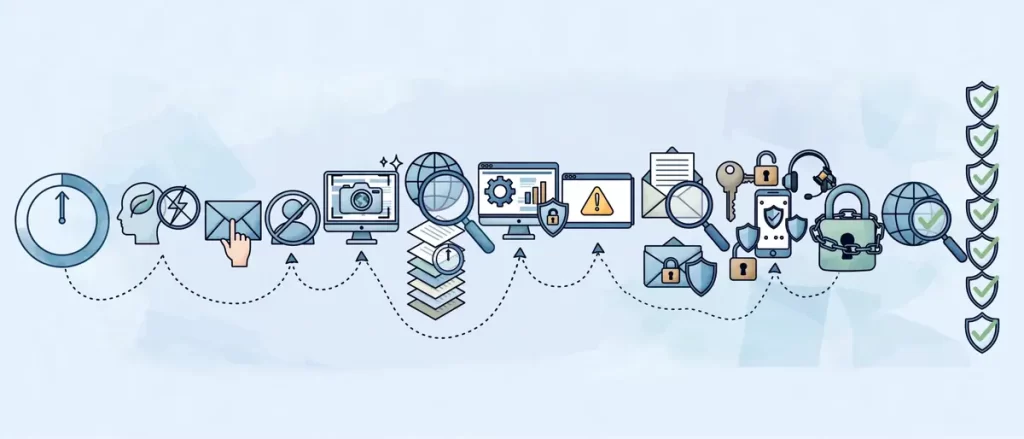
Understanding the attack vector shapes your recovery strategy, since registrars and ICANN ask for this detail during disputes.
Email account compromise is the leading cause. If an attacker gains access to the email address on file with your registrar, they can request a password reset and transfer authorization code without ever touching your registrar credentials directly.
Weak or reused registrar passwords remain a close second. Credential-stuffing attacks using leaked password databases are automated and target high-value TLDs specifically.
Social engineering against registrar support staff is less common but devastating when it succeeds – attackers impersonate the domain owner using stolen personal details to convince support agents to unlock and transfer the domain manually.
Expired or exposed EPP/Auth codes can also be exploited if you’ve ever pasted one into an unencrypted email or shared drive.
Domain drop-catching after accidental expiration is technically not theft, but it produces the same outcome for the original owner and follows a different recovery path (typically requiring purchase-back negotiation rather than dispute resolution).
Step-by-Step Domain Stolen Hack Recovery Process
Step 1: Confirm the Theft With WHOIS and Registry Data
Pull current WHOIS records and compare them against your last known-good screenshot. Note the exact timestamp of the change if available – registrars use this to determine which dispute window applies.
Step 2: Lock Down Every Adjacent Account
Change passwords on your domain registrar, the email address tied to it, and any payment method saved on file. Enable 2FA everywhere it’s offered. This step matters even if the attacker no longer needs access, because it prevents a second incident during recovery.
Step 3: File a Fraud Report With Your Original (Losing) Registrar
Your original registrar – the one you registered with before the unauthorized move – is your first line of defense. Provide account history, prior invoices, and identity verification. Ask specifically about their emergency domain recovery or “hijacking” escalation path; most Tier-1 registrars maintain one separate from general support.
Step 4: Request an Immediate Registry-Level Hold
Ask the losing registrar to request a registry lock from the relevant registry operator (Verisign for .com/.net, PIR for .org, and so on). This freezes further transfers while the dispute is investigated.
Step 5: File a Transfer Dispute Resolution Policy (TDRP) Complaint
If the domain moved to a new registrar without your authorization, TDRP is the formal ICANN mechanism designed specifically for this. Both registrars (losing and gaining) participate, and ICANN can order the domain returned if the transfer violated the Transfer Policy.
Step 6: Escalate to ICANN Compliance if Registrars Are Unresponsive
If either registrar drags its feet or refuses to cooperate, file a complaint directly with ICANN Compliance. ICANN can compel registrars to follow their contractual obligations under the Registrar Accreditation Agreement.
Step 7: Pursue Civil or Criminal Action if Warranted
For high-value domains, or where the theft involved clear fraud (forged documents, impersonation, unauthorized account access under computer-crime statutes), involve law enforcement and a cybercrime or IP attorney.

Working With Your Registrar’s Fraud Team

Registrar fraud teams move faster when you make their job easy. Prepare a single document containing:
- Your original registration date and payment history
- Screenshots of the domain’s last known-correct WHOIS record
- Any correspondence with the registrar prior to the incident
- A timeline of suspicious activity, in chronological order
- Government-issued ID matching the registrant record, if requested
Most Tier-1 registrars (those accredited directly by ICANN with strong compliance programs) can place a temporary hold within hours of a verified fraud report, even before a full TDRP case is filed.
Filing an ICANN Transfer Dispute (TDRP)
The Transfer Dispute Resolution Policy exists specifically for cases where a domain moved between registrars without proper authorization. Here’s what the process generally involves:
| TDRP Element | What It Means |
|---|---|
| Who can file | The registrar of record prior to the unauthorized transfer (you typically file through them, not directly) |
| Filing window | Best filed within 60 days of the disputed transfer; longer delays weaken the case |
| Decision-maker | An ICANN-approved dispute resolution provider reviews transfer logs and authorization records |
| Possible outcome | The domain can be ordered back to the losing registrar and original registrant |
| Cost | Filing fees vary by provider; typically borne by the registrars involved, not the registrant directly |
Because TDRP is filed by registrars rather than end users directly, your job is to push your losing registrar to initiate it quickly and to supply every piece of supporting evidence they request.
When to Involve Law Enforcement and Legal Counsel
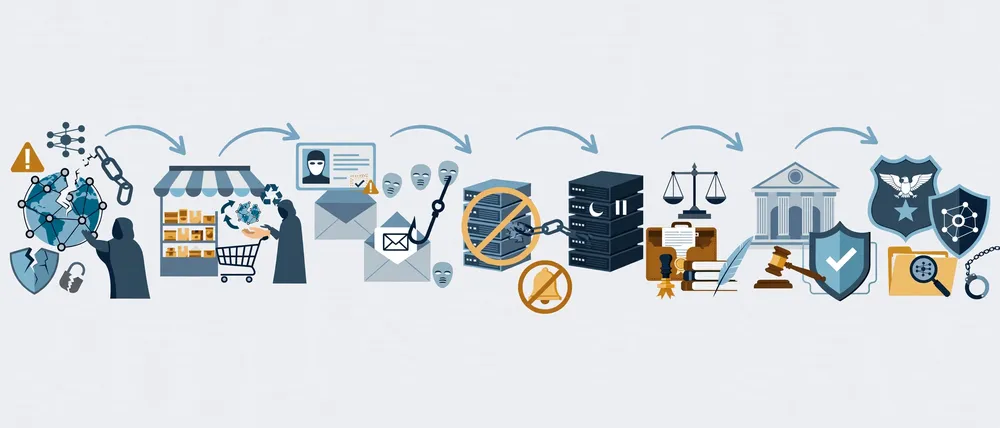
Not every domain theft needs a lawyer, but certain thresholds should trigger escalation:
- The domain has significant commercial value or is central to active business operations
- The attacker has already resold or listed the domain on a marketplace
- There’s evidence of identity fraud (forged ID, spoofed emails to registrar support)
- The registrar is unresponsive after repeated fraud reports
A domain and IP attorney can send preservation letters to the gaining registrar, request emergency injunctive relief in extreme cases, and coordinate parallel reports to the FBI’s Internet Crime Complaint Center (IC3) for U.S.-based incidents.
UDRP vs TDRP vs Civil Litigation: Which Applies to You
These three mechanisms are frequently confused, so here’s a direct comparison.
| Mechanism | Best For | Typical Timeline | Outcome |
|---|---|---|---|
| TDRP | Unauthorized registrar-to-registrar transfers (classic hijacking) | Weeks to a few months | Domain returned to prior registrar/registrant |
| UDRP | Trademark-based disputes where a third party registered a confusingly similar domain | 1-2 months | Domain transferred or cancelled based on trademark rights |
| Civil Litigation | Cases involving fraud, large financial loss, or where TDRP/UDRP don’t apply | Months to years | Court-ordered return, damages, or injunctive relief |
If your domain was stolen through hacking (not a trademark dispute), TDRP is almost always the correct first path, with civil litigation reserved for cases where registrars are uncooperative or damages are substantial.
Recovery Timeline: What to Expect
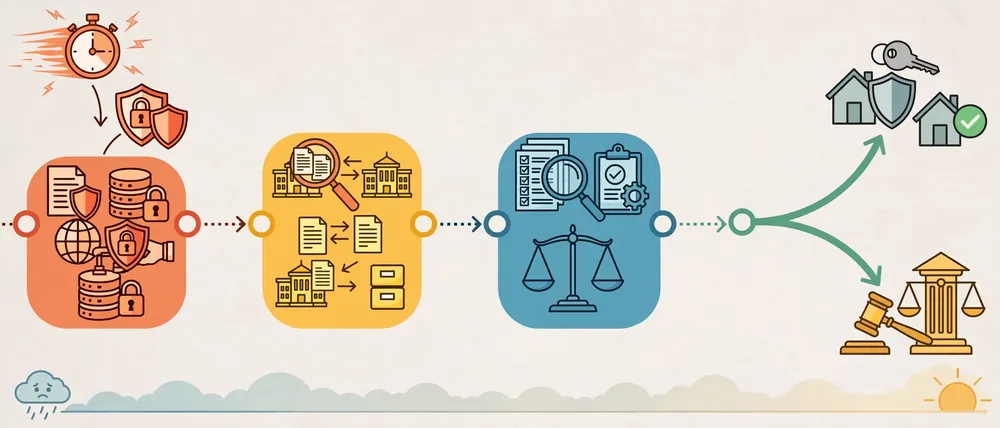
Recovery timelines vary widely, but a realistic range looks like this:
- 0-48 hours: Fraud report filed, accounts secured, registry hold requested
- 1-2 weeks: Registrar investigation, evidence exchange, initial TDRP filing (if applicable)
- 2-8 weeks: Dispute resolution provider reviews transfer logs and issues a determination
- 8+ weeks: Domain returned (best case) or matter escalated to legal counsel (if unresolved)
Domains that are quickly re-sold to a third party through a marketplace complicate recovery significantly, which is why speed in the first 60 minutes matters disproportionately.
Common Mistakes That Sabotage Recovery
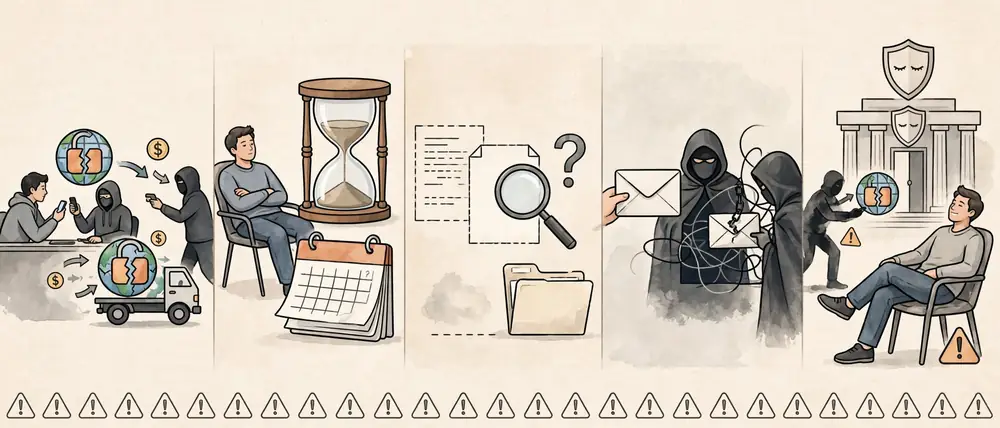
- Contacting the thief directly before filing a dispute, which can trigger a rapid resale to “launder” the domain through a second transfer
- Waiting to report the incident while trying to resolve it informally, which shortens your effective filing window
- Not documenting the original WHOIS state, leaving no baseline for registrars to compare against
- Ignoring the compromised email account, allowing the attacker to intercept recovery communications
- Assuming your registrar will proactively notice the theft – most fraud detection is reactive and depends on the registrant filing a report
Expert Tips From Domain Security Practitioners
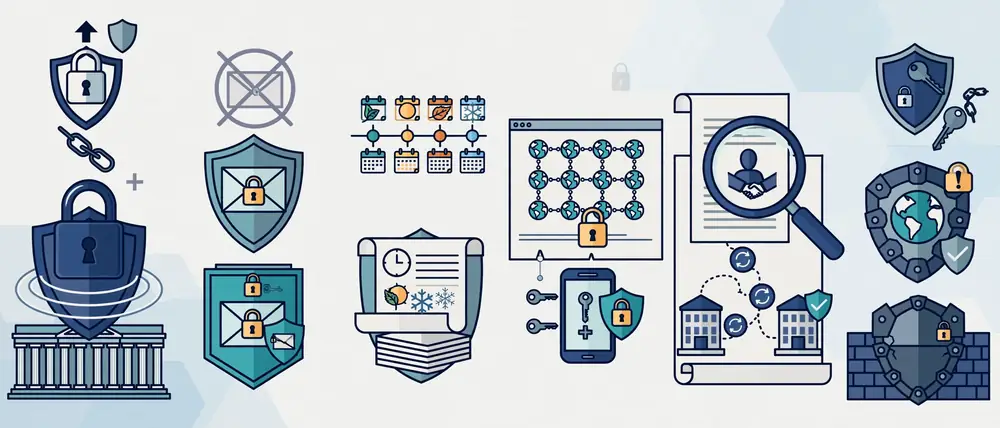
- Register domains with a registrar that supports registry lock (a higher-security hold than the standard ClientTransferProhibited flag), especially for high-value assets.
- Use a dedicated, non-public email address exclusively for domain administration – never the same inbox used for general business or personal correspondence.
- Keep a dated, timestamped record of your WHOIS history every quarter as a baseline for future disputes.
- If you manage a portfolio, consider a domain management platform with built-in 2FA and transfer-lock enforcement across all assets at once rather than per-domain settings.
- When negotiating premium domain purchases or acquisitions, verify the seller’s WHOIS and transfer history before wiring funds – stolen domains occasionally re-enter the market through resale.
Preventing Future Domain Theft

Once recovery is complete (or even while it’s in progress), harden your setup:
- Enable two-factor authentication on your registrar account and the associated email.
- Turn on registry lock for business-critical or premium domains.
- Use a unique, high-entropy password for your registrar – never reused from any other service.
- Set domains to auto-renew with a payment method that won’t expire unexpectedly, since expired domains are a separate but related theft vector.
- Monitor WHOIS changes using a domain monitoring service that alerts you the moment registrant or nameserver data changes.
- Review your domain appraisal and portfolio value periodically so you know which assets warrant the highest level of security investment.
Understanding why a .com still dominates in buyer psychology also explains why these domains are disproportionately targeted – premium TLDs simply carry more resale value, making them more attractive to attackers.
FAQ
Can a stolen domain be recovered?
Yes. Most domains stolen through unauthorized transfer can be recovered through ICANN’s TDRP process, provided the theft is reported quickly and documented with WHOIS history and account records.
How long does domain stolen hack recovery usually take?
A straightforward TDRP case can resolve in a few weeks to two months. Cases involving uncooperative registrars, resale to third parties, or legal escalation can take considerably longer.
Who do I contact first if my domain was hacked and transferred?
Contact the registrar you originally registered the domain with (the “losing registrar”) and ask specifically for their fraud or hijacking escalation team, not general customer support.
Does ICANN handle domain theft directly?
ICANN doesn’t resolve individual disputes itself but oversees the TDRP framework that registrars must follow, and ICANN Compliance can be escalated to if a registrar fails to meet its contractual obligations.
What’s the difference between domain hijacking and a UDRP dispute?
Hijacking involves unauthorized transfer via hacking or fraud and is addressed through TDRP. UDRP addresses cases where someone registers a domain that infringes on a trademark, which is a different legal question entirely.
Should I buy domain theft insurance or use a domain security service?
For high-value portfolios, a registrar offering registry lock and dedicated fraud monitoring functions similarly to insurance by preventing the theft before it starts, which is generally more effective than after-the-fact remediation.
Conclusion
Domain hijacking requires a fast, structured response. Securing your email and registrar accounts, documenting the unauthorized transfer, requesting a registry-level lock, and pushing the losing registrar to pursue the appropriate dispute process can significantly improve your recovery efforts. Just as importantly, strong 2FA, registry locks, unique credentials, and ongoing domain monitoring can help protect valuable domains from future attacks.
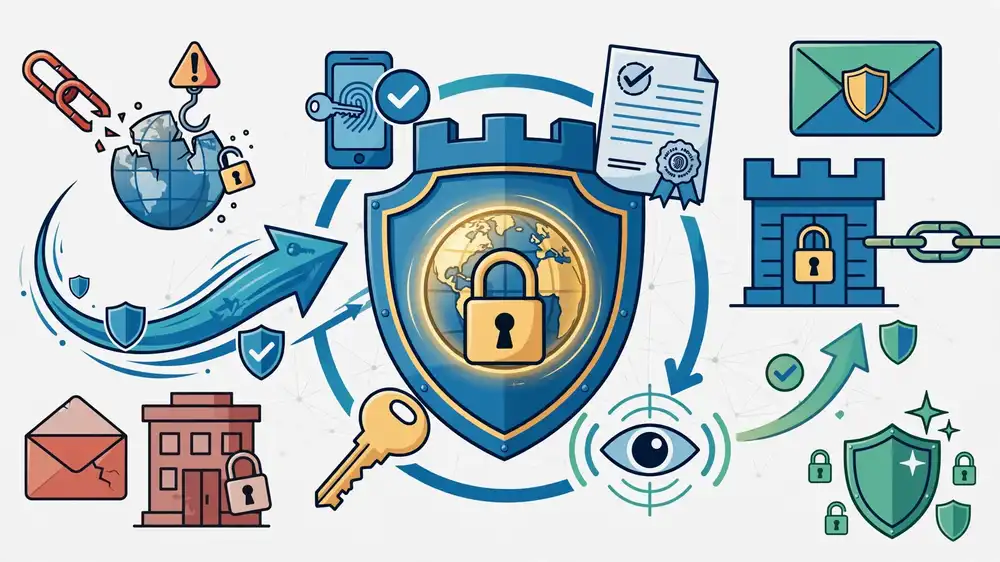
For premium domain owners, taking preventive security measures before an incident occurs is far easier than recovering a stolen asset afterward.