
An effective AI company domain name strategy targets a narrow set of high-liquidity patterns: single-word dictionary .com names, pronounceable four-to-six-letter brandables, action-verb roots, and coined morphemes that signal intelligence without trademark collision. These patterns win because they compress brand recall, direct-navigation probability, and citation consistency across large language models into one asset, which lowers customer acquisition cost and raises investor-perceived legitimacy at the seed stage. Scarcity completes the equation: a finite supply of clean, defensible names meets a flood of funded AI founders, so aftermarket prices for these specific patterns behave like a competitive bidding market.
Founders who understand this market early rarely overpay later. For teams building a shortlist, a curated premium domain inventory with transferable, verified ownership records removes most of the guesswork before negotiations begin.
Quick Summary: What AI Startups Want From a Domain
- Pattern priority: One-word .com names, short brandables, verb roots, and clean coined names.
- Why they compete: Recall, trust, direct traffic, and fundraising credibility.
- Typical failure: Settling for a hyphenated or awkward name, then rebranding at scale.
- Smart move: Shortlist patterns first, check trademark risk second, negotiate third.
- Time horizon: The right name is a ten-year asset, not a launch-week detail.
What Is an AI Company Domain Name Strategy?
An AI company domain name strategy is a deliberate plan for selecting, acquiring, and protecting the web address that represents an artificial intelligence product or company. It covers pattern selection (the shape of the name), extension choice (.com, .ai, or others), budget, trademark clearance, and long-term brand defense.

In short, it answers four questions:
- What pattern should the name follow? One word, short coined name, verb, or compound.
- Which extension should lead? Usually .com, with .ai as a defensive or secondary asset.
- How much should the name cost? A figure tied to funding stage and expected lifetime value.
- How will the name be protected? Trademark searches, defensive registrations, and clean ownership transfer.
Many early-stage teams treat naming as a creative exercise. However, the most successful AI companies treat it as a capital allocation decision. The name touches every channel: paid ads, press coverage, investor decks, API documentation, email deliverability, and voice search.
Why AI Startups Are Competing for the Same Domain Names
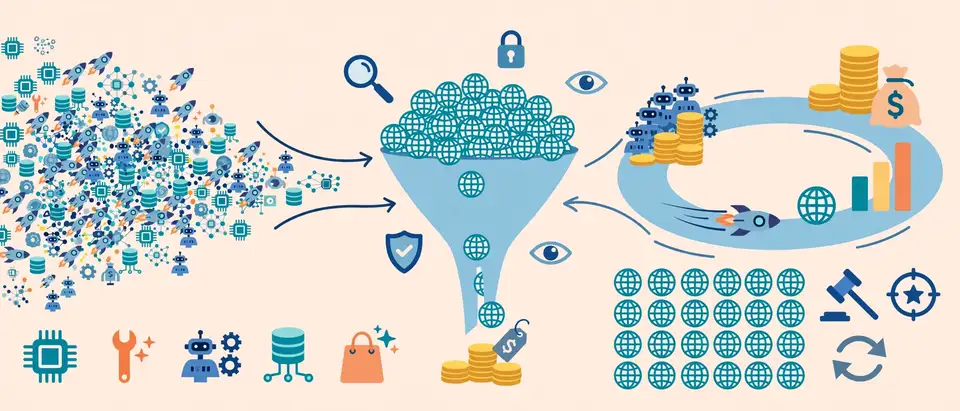
The AI sector produces new companies faster than any other category in recent memory. Foundation model labs, vertical AI tools, agent platforms, data infrastructure vendors, and AI-enabled consumer apps all need names. Meanwhile, the supply of short, memorable, available .com names has not grown at all.
Because of that imbalance, competition concentrates on a few specific patterns. Understanding the forces behind it helps you predict where prices and availability will move next.
The Four Forces Behind the Naming Race
- Funding velocity. Well-capitalized startups can pay for a name in a single budget line. Consequently, sellers price premium names against venture-backed buyers, not bootstrapped ones.
- Trust compression. Buyers evaluating an unfamiliar AI product look for fast legitimacy signals. A clean domain is one of the quickest signals available. In practice, the URL is often the first thing a buyer evaluates.
- Citation and recall dynamics. AI assistants and search engines surface brands by name. Short, unambiguous names are easier to quote, spell, and retrieve correctly.
- Category crowding. When hundreds of competitors use similar descriptive phrases, a distinctive one-word name stands out immediately.
What the Competition Looks Like in Practice
For example, a seed-stage team building an AI contract-review tool might shortlist twelve names. After trademark screening, perhaps three remain. After checking .com availability, one or zero remain. At that point, the team either pays for an aftermarket name or compromises. Most compromise, and many regret it within eighteen months.
This pattern repeats across the sector. The result is predictable: the same twenty to thirty naming patterns attract most of the acquisition demand.
The Domain Name Patterns AI Startups Fight Over Most
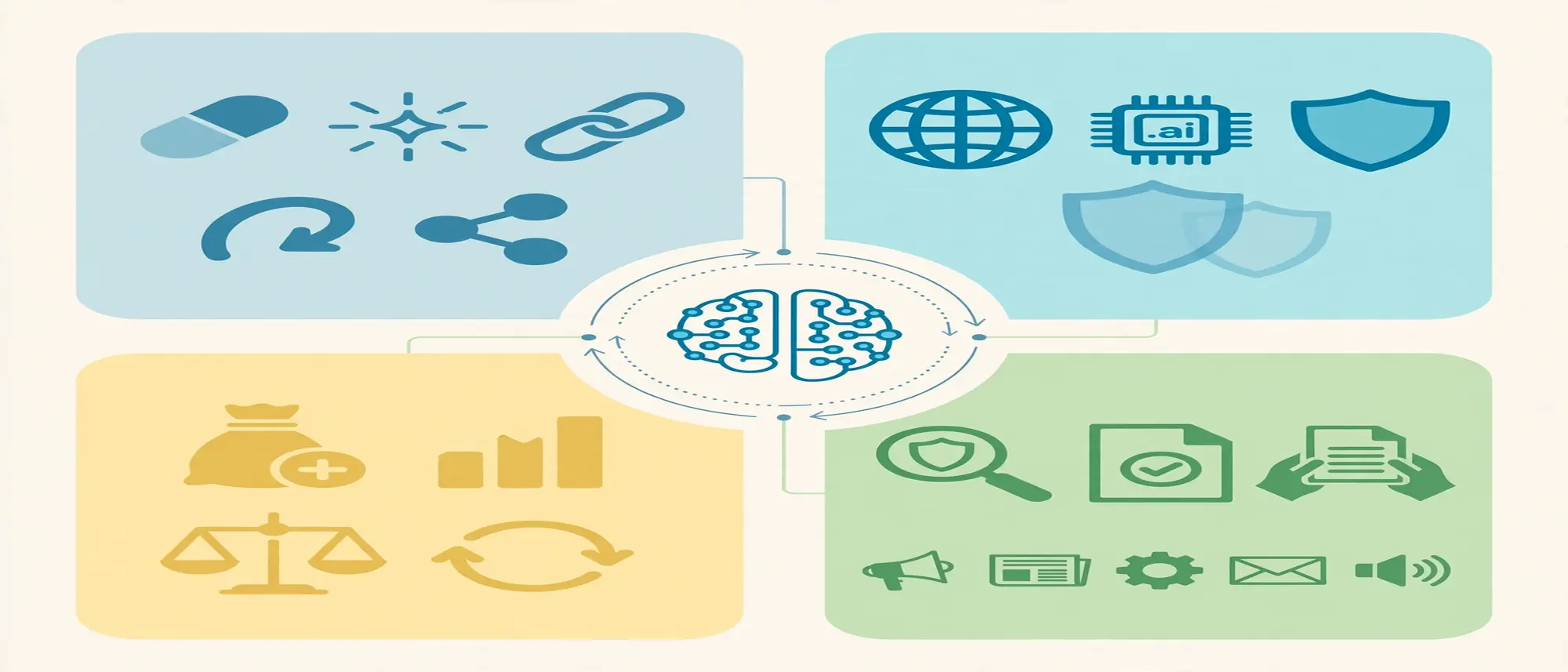
Not every short name is valuable. Demand clusters around patterns that combine memorability, phonetic ease, and semantic flexibility. The six patterns below show up repeatedly in AI company acquisitions.
Pattern 1: One-Word Dictionary .com Names
A single real word as a .com is the most contested asset in any category. Examples of this style in the wider technology market include short, common words used as brand names. Because dictionary words carry built-in meaning, they let a brand borrow instant associations such as speed, clarity, or intelligence.
Why AI startups want them:
- They are easy to remember and easy to say aloud.
- They work in voice search without spelling clarification.
- They look credible on enterprise sales decks.
- They resist feeling like “yet another AI tool.”
The catch: Supply is almost gone. Most strong single words are held by investors, large companies, or long-standing websites. As a result, prices reach into the high five and six figures, and sometimes beyond.
Pattern 2: Short Brandable Names (Four to Six Letters)
Short brandables are invented or lightly altered words that are easy to pronounce. Think of names built from consonant-vowel rhythms that sound natural even though they are not in a dictionary.
Why this pattern attracts so much demand:
- Short length reduces typing errors.
- Pronounceable rhythm helps word-of-mouth referrals.
- Trademark conflicts are often lower than with dictionary words.
- The name can carry any positioning the company chooses later.
Founders frequently overlook one point here. Short does not automatically mean valuable. A random string of letters is hard to remember. The name needs a natural cadence, like two clean syllables. If you want a deeper view of how to judge this, the guide on how to choose a domain name for your startup walks through the selection criteria step by step.
Pattern 3: Action-Verb Roots
Verb-based names suggest motion and outcome. They fit AI products that automate, generate, predict, or assist. A verb root communicates what the product does without sounding generic.
Strengths of verb-root names:
- They imply immediate value.
- They fit naturally into calls to action (“Try ___”, “Ask ___”).
- They scale across product lines without becoming outdated.
Weakness: Common verbs are heavily trademarked in software classes. Therefore, legal screening matters more here than with any other pattern.
Pattern 4: Coined Names With Semantic Hints
Coined names are made-up words that borrow sounds or fragments from real language. Many AI startups choose them because they need a name that feels technical and fresh while staying clear of existing brands.
Typical building blocks include:
- Latin or Greek roots linked to knowledge, light, or patterns.
- Blended syllables from technical terms.
- Altered spellings of familiar words.
A coined name gives you maximum legal clarity if you choose well. The risk is memorability. If customers cannot spell it after hearing it once, the name leaks traffic to competitors with simpler spellings.
Pattern 5: Compound Names With a Technical Root
Compounds join two short words, such as a noun and a verb, to build a distinctive brand. For AI companies, the second half often points to a technical concept (such as a model, graph, or signal), while the first half sets the personality.
Best practices for compounds:
- Keep the total length under twelve characters when possible.
- Avoid awkward letter collisions where the two words join.
- Check that the name reads correctly in lowercase with no spaces.
- Confirm the compound does not spell an unintended word.
Pattern 6: Premium Extensions, Especially .ai
The .ai extension has become closely associated with artificial intelligence companies. Many startups register a .ai name early because it is relatively accessible and signals category membership immediately. Nevertheless, the strongest teams still pursue the matching .com, as the next sections explain.
Pattern Comparison Table: Which Name Style Fits Your AI Company?
Use this table to match a pattern to your stage, budget, and risk tolerance.
| Pattern | Typical Price Range | Memorability | Trademark Risk | Best For |
|---|---|---|---|---|
| One-word dictionary .com | Very high | Very high | Medium to high | Funded platforms and category leaders |
| Short brandable (4 to 6 letters) | Moderate to high | High | Low to medium | Seed to Series A startups |
| Action-verb root | Moderate to high | High | High | Consumer and productivity AI tools |
| Coined name | Low to moderate | Medium | Low | Early teams with limited budget |
| Technical compound | Low to moderate | Medium to high | Low to medium | B2B and developer-focused AI |
| .ai extension | Low to moderate | Medium | Medium | Launch-phase and defensive coverage |
Price ranges are directional. Actual valuations depend on length, language, history, and buyer demand.
AI Company Domain Name Strategy: .com vs .ai vs Other Extensions
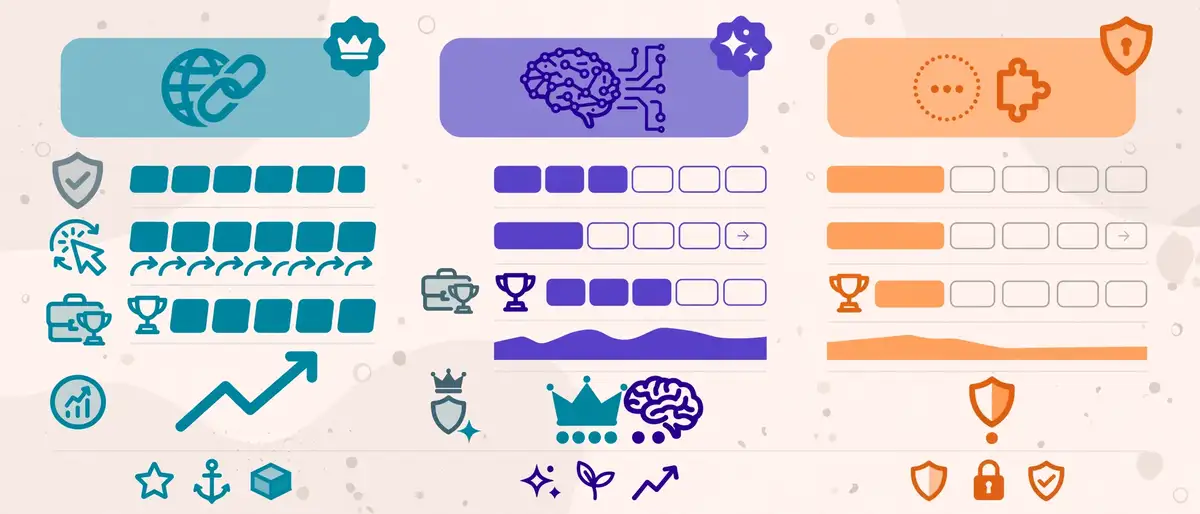
Extension choice is one of the most debated parts of any AI company domain name strategy. The right answer depends on audience, stage, and long-term goals.
Why .com Still Anchors Most Serious Strategies
Customers type .com by default. Press, partners, and investors assume it. In addition, mistyped .com traffic is a real leak for companies that do not own it. The deeper data and psychology behind that habit are covered in why .com is still the best domain choice.
Where .ai Fits
The .ai extension works well as:
- A launch domain while negotiating for the .com.
- A product-line domain for a specific AI feature.
- A defensive registration to block copycats.
Extension Comparison Table
| Factor | .com | .ai | Other new extensions |
|---|---|---|---|
| Default user trust | Very high | Growing in tech circles | Varies widely |
| Category signal | Neutral | Strong AI association | Often weak |
| Typed by mistake | Frequent | Rare | Rare |
| Investor perception | Strongest | Acceptable at seed stage | Mixed |
| Resale liquidity | Highest | Moderate | Lower |
| Best role | Primary brand | Secondary or launch | Defensive only |
How AI Startups Evaluate a Domain Before Paying
Smart buyers never judge a name on instinct alone. They score each candidate against a fixed set of criteria. As a result, they negotiate with data instead of emotion.

The Evaluation Checklist
- Length: Shorter names are easier to say, type, and remember.
- Pronounceability: Can a stranger say it after seeing it once?
- Spelling clarity: Does the name survive a phone call without clarification?
- Meaning and tone: Does it suit a technical product without sounding cold?
- Trademark exposure: Do existing marks in software classes conflict?
- History: Has the domain carried spam, penalties, or a damaged reputation?
- Extension alignment: Does the .com exist, and who owns it?
- Scalability: Will the name still fit if the product expands?
Scoring Table Example
| Criterion | Weight | Score (1 to 5) | Notes |
|---|---|---|---|
| Length and clarity | 20% | 4 | Six letters, clean rhythm |
| Pronounceability | 20% | 5 | Two simple syllables |
| Trademark exposure | 25% | 3 | One nearby mark in a different class |
| Domain history | 15% | 5 | Clean, no prior use |
| Scalability | 10% | 4 | Fits multiple product lines |
| Price versus budget | 10% | 3 | Upper end of range |
Because pricing is the hardest part, it helps to understand what drives it. The breakdown in how much a domain is really worth explains the main valuation inputs, and the same logic applies whether you are buying or selling.
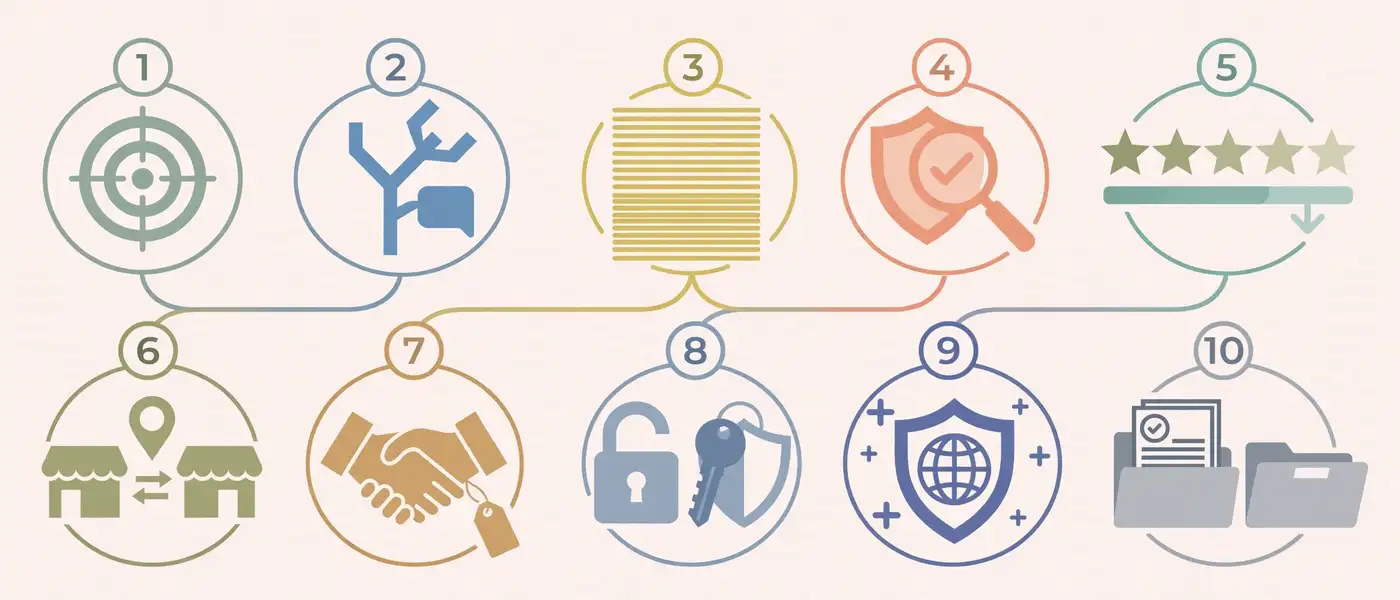
Step-by-Step: How to Build Your AI Company Domain Name Strategy
Follow this sequence to move from idea to owned asset without wasting budget.
Step 1: Define Positioning Before Names
Write one sentence describing who the product serves and what changes for them. Names built after this exercise tend to be sharper because the team knows what the name must signal.
Step 2: Choose Two Preferred Patterns
Pick from the six patterns above. For example, a developer tool might favor technical compounds and short brandables. A consumer assistant might favor verb roots and one-word names.
Step 3: Generate a Long Candidate List
Create at least fifty options. Include variations in spelling, root words, and syllable count. Then remove anything awkward, unclear, or hard to pronounce.
Step 4: Screen for Trademark and Availability
Check the domain, social handles, and registered marks. The process in how to check a domain for trademark conflicts before buying shows what to review first. You can also search federal records directly using the USPTO trademark search system.
Step 5: Rank by Your Evaluation Score
Apply the checklist from the previous section. Keep the top five. Be honest about any weakness, because it will become a cost later.
Step 6: Decide Where to Buy
Options include direct owner outreach, brokered deals, and marketplace listings. Each route has different speed, pricing transparency, and risk. A curated source of vetted names reduces due diligence time significantly.
Step 7: Negotiate With a Ceiling
Set a maximum price before talks begin. Negotiation frameworks are covered in how to negotiate a premium domain price, which is a useful read before you contact any seller.
Step 8: Secure the Transfer Safely
Use an escrow service. Confirm registrar transfer steps, update DNS, and lock the domain with two-factor authentication once it arrives.
Step 9: Register Defensive Variants
Pick up the .ai, common misspellings, and key adjacent extensions. This is cheap insurance compared with a later dispute.
Step 10: Document Everything
Store invoices, transfer confirmations, and registrar details in a shared company record. Investors and acquirers will ask for them during due diligence.
Budgeting: How Much Should an AI Startup Spend on a Domain?
There is no universal figure. Still, a few principles help teams avoid both overspending and underinvesting.
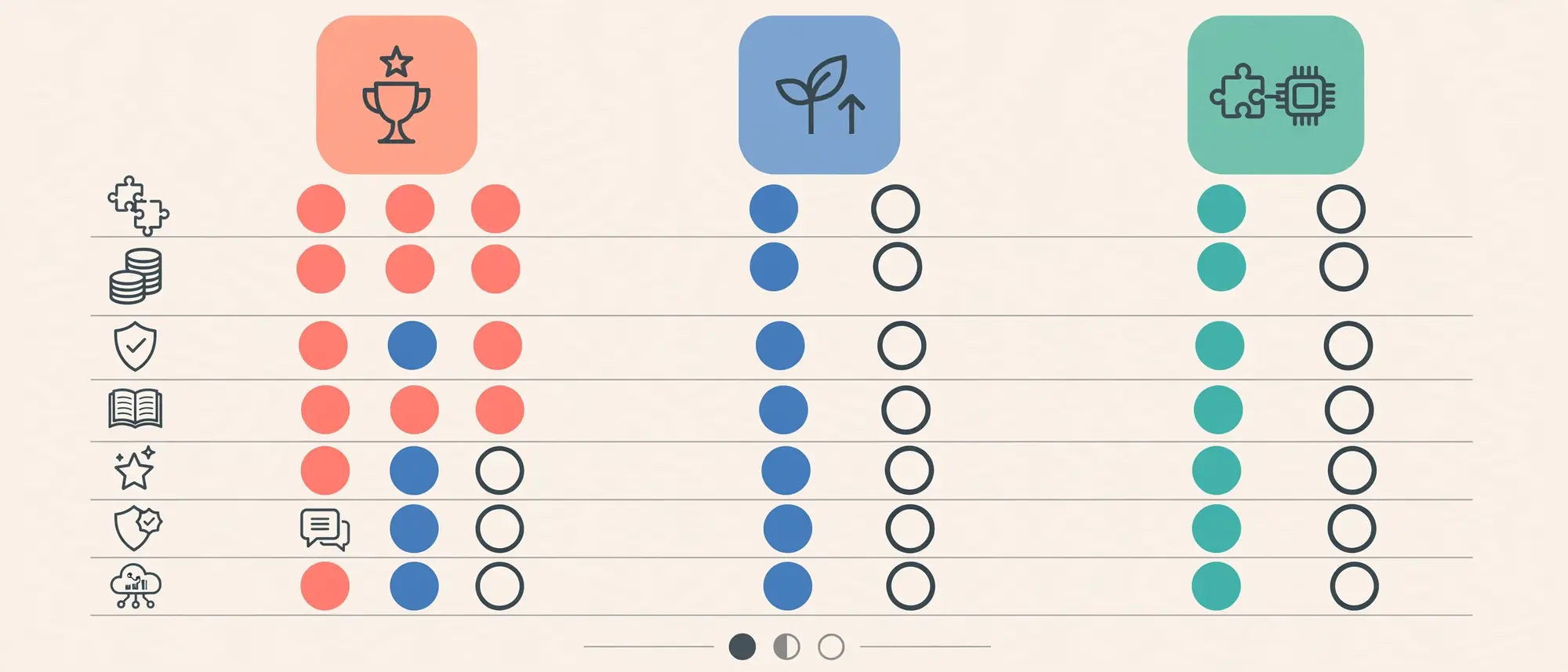
Practical budgeting rules:
- Tie the budget to funding stage. A pre-seed team should not spend a large share of its runway on a name. A Series A team can justify more.
- Compare to customer acquisition cost. If a name measurably lowers paid acquisition costs or increases conversion, its price is easier to defend.
- Consider resale value. Premium names often hold or increase in value, which makes them closer to assets than expenses.
- Account for transaction costs. Escrow fees, legal review, and migration time all add up.
Budget Tiers at a Glance
| Stage | Typical Approach | Name Strategy |
|---|---|---|
| Pre-seed | Minimize spend | Coined or compound .com, or .ai launch name |
| Seed | Moderate investment | Short brandable .com |
| Series A | Meaningful investment | One-word or premium brandable .com |
| Growth stage | Strategic acquisition | Category-defining one-word name plus defensive portfolio |
Larger teams often formalize this step with procurement, legal, and finance sign-off before any offer goes out.
Legal and Trademark Risk in AI Naming
AI is a crowded legal space. Many names in software classes already carry registrations, and new filings arrive daily. Therefore, legal clearance deserves as much attention as creative selection.
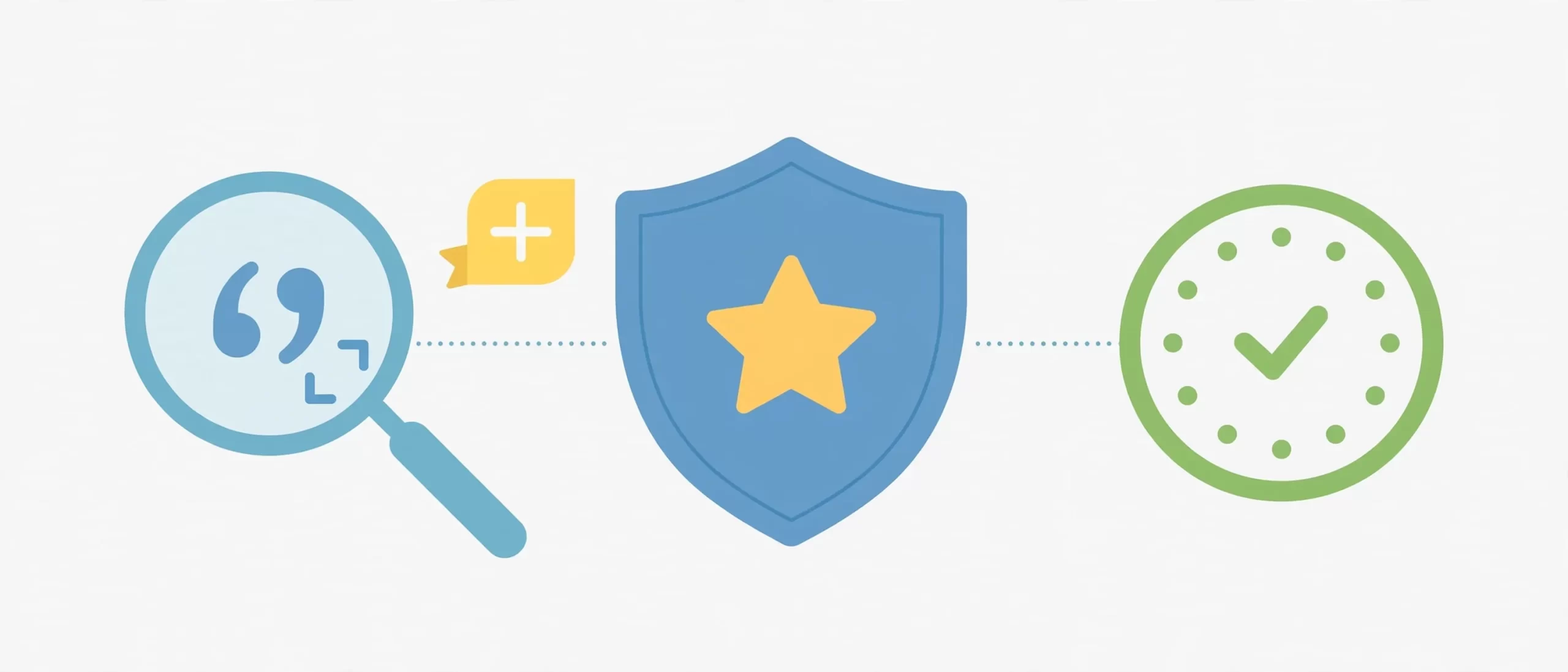
Key risks to understand:
- Likelihood of confusion: Names that sound or look similar to existing marks can trigger disputes, even in different industries.
- Bad-faith registration claims: Buying a domain that mirrors another company’s trademark may expose you to a dispute under the Uniform Domain-Name Dispute-Resolution Policy. The WIPO domain name dispute resolution service explains how those cases work.
- Registrar and registry rules: Policies for transfers and ownership are set at the registry level, and ICANN publishes the governing framework.
Safe practice: Run a trademark search, consult a qualified attorney for any shortlisted name above a meaningful price, and document the search results.
Common Mistakes AI Startups Make With Domain Names
Even smart teams make avoidable errors. Watch for these.

- Picking a name before checking the .com. Teams fall in love with a name, then discover the .com is held by an unrelated owner asking for a high price.
- Using hyphens and numbers. These create spelling confusion and look less credible.
- Choosing trendy suffixes. Names built on the buzzword of the moment age quickly.
- Ignoring pronunciation. A name that sounds ambiguous costs word-of-mouth growth.
- Skipping trademark checks. Rebranding after launch is far more expensive than checking before buying.
- Overpaying out of urgency. Sellers read urgency quickly. Slow, structured negotiation protects your budget.
- Neglecting domain history. A domain with a spam past may carry search penalties that take months to recover from.
- Forgetting defensive registrations. Squatters often register nearby variants once a company gains visibility.
- Treating the domain as a one-time task. Renewals, security, and monitoring continue indefinitely.
Expert Tips for a Stronger AI Company Domain Name Strategy
These practical habits come from patterns that repeat across successful naming projects.
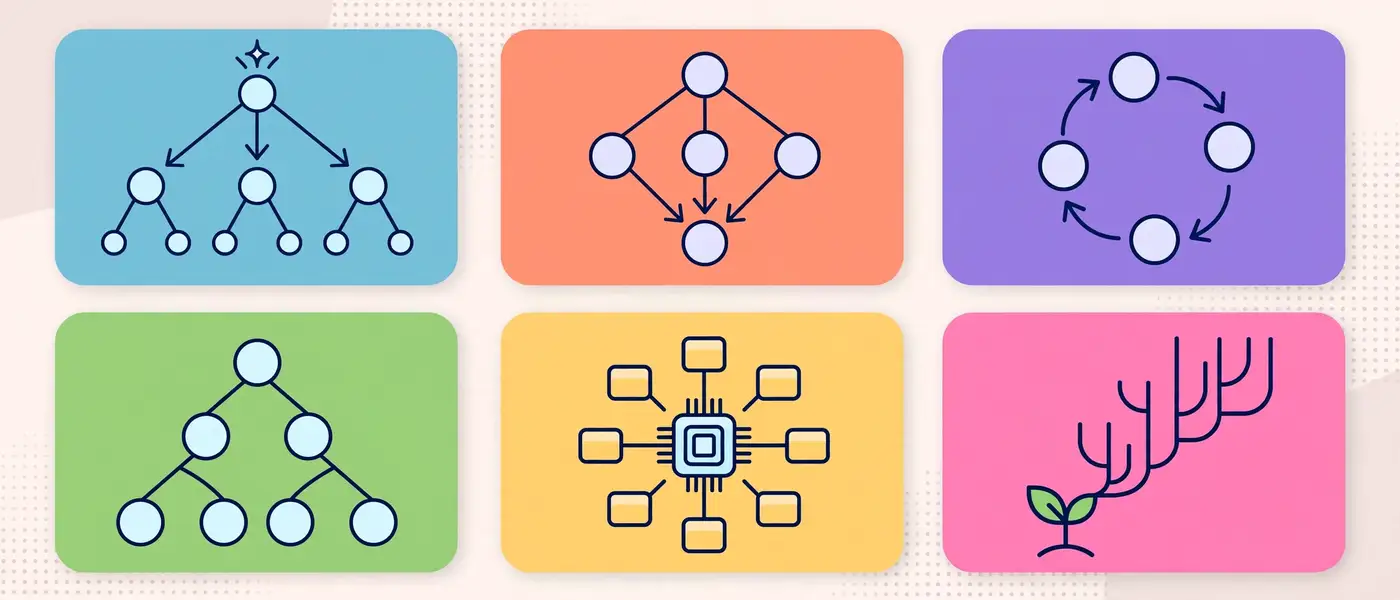
- Say it aloud to five strangers. If any of them misspell it, simplify the name.
- Test it in a sentence. Try “Have you tried ___?” and “Log in to ___.” Awkward phrasing signals a weak name.
- Check international readability. An AI product with global reach needs a name that carries no unintended meaning elsewhere.
- Think about the API and subdomain. Your name will appear in endpoints and documentation, so short names reduce friction for developers.
- Plan for product expansion. A name tied tightly to one feature can limit later growth.
- Keep records of every search. Documentation protects you in disputes and helps in due diligence.
- Review marketplace differences. Pricing, fees, and process vary by platform, so compare at least two before you commit.
What the Future Holds for AI Domain Name Patterns
Naming trends move with the market. Several shifts deserve attention.
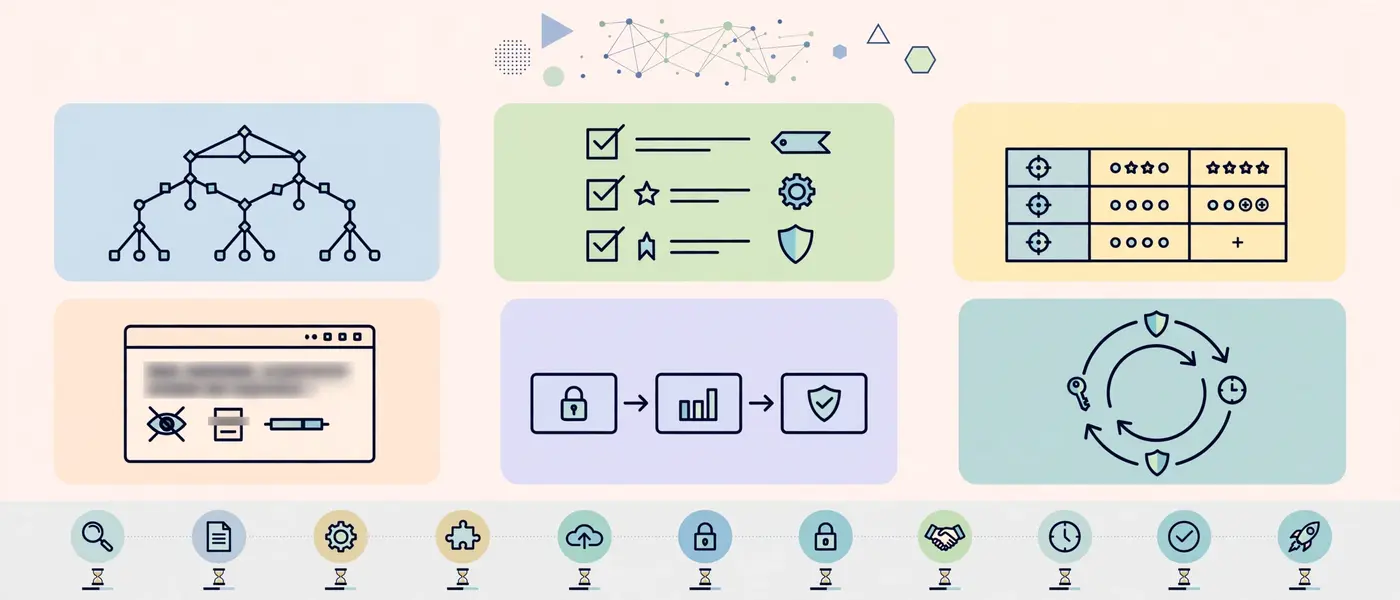
- Shorter names will keep rising in value. As more AI startups launch, short available names become rarer.
- Pronounceability will matter more. Voice interfaces make spelling clarity a real conversion factor.
- Defensive portfolios will grow. Companies will hold more variants to protect against impersonation, which is a rising concern for AI products.
- Extension mix will broaden. Even so, .com is likely to remain the default trust anchor for the foreseeable future.
Founders who plan for these shifts will secure better names at lower cost than those who wait.
Suggested Visuals and Infographic Ideas
Use these additions to strengthen engagement and earn natural backlinks.

- Infographic: “The 6 Patterns AI Startups Compete For,” a one-page visual with an example format for each pattern.
- Diagram: A decision tree titled “Which Extension Should Lead Your AI Brand?” that routes from budget and stage to a recommended extension.
- Checklist graphic: A downloadable one-page “Domain Evaluation Scorecard” matching the table in this article.
- Screenshot idea: A redacted escrow dashboard showing the stages of a secure domain transfer.
- Timeline graphic: A visual of the ten-step process with estimated time per step.
Frequently Asked Questions About AI Company Domain Name Strategy
What is the best AI company domain name strategy for a new startup?
The best AI company domain name strategy starts with a short, pronounceable .com name, then adds a matching .ai registration as a defensive or launch asset. Screen every candidate for trademark conflicts and check domain history before you buy.
Is .ai better than .com for an AI startup?
Not usually. The .ai extension signals the category and works well for launch, but .com remains the default users type and trust. Most strong strategies use .com as the primary domain and .ai as a secondary asset.
Why are one-word domain names so expensive for AI companies?
Supply is limited, and many buyers are well funded. Each one-word .com serves only one company, so competing buyers push prices upward. Dictionary words also carry built-in meaning, which adds to their value.
How long should an AI company domain name be?
Aim for four to nine characters when possible. Shorter names are easier to remember, type, and say aloud. However, a clear two-word compound can still work if it stays under about twelve characters.
How much should an early-stage AI startup spend on a domain name?
Spend an amount tied to your funding stage and expected customer acquisition benefit. Pre-seed teams usually choose lower-cost coined or compound names, while later-stage teams can justify premium purchases.
Can I use a hyphen or number in an AI company domain?
You can, but it is usually a weaker choice. Hyphens and numbers create spelling confusion, hurt word-of-mouth, and look less trustworthy than a clean name.
How do I check whether an AI domain name has trademark problems?
Search federal and international trademark databases, review existing marks in software classes, and consult an attorney for any high-value shortlist name. Keep a written record of every search you run.
Where can I find premium domain names for an AI company?
You can approach owners directly, use a broker, or browse curated marketplaces. Curated sources reduce due diligence time because the names are already vetted for history and ownership.
Should an AI startup buy defensive domains?
Yes. Registering the .ai version, key misspellings, and adjacent extensions is inexpensive insurance against impersonation and squatting.
How can a domain name affect AI search and citation visibility?
A short, unambiguous name is easier for search engines and AI assistants to match, quote, and retrieve correctly. A distinctive name also reduces confusion with similarly named competitors.
Conclusion: Build Your AI Company Domain Name Strategy Before Competitors Do
The fight over specific domain patterns is not random. One-word names, short brandables, verb roots, coined names, and technical compounds win because they deliver recall, trust, and flexibility at a stage when every signal counts. A sound AI company domain name strategy begins with positioning, moves through pattern selection and trademark screening, and ends with a secure, documented acquisition.

Remember the core lessons. Prefer pronounceable names over clever ones. Pair a primary .com with defensive registrations. Set a budget ceiling before you negotiate. Above all, move before your category fills up, because the best names disappear quietly.
Ready to secure a name that investors, customers, and AI assistants will all remember? Secure your AI brand’s premium domain today and build on an asset that grows with your company.